

Living with a constant sense of dread, an racing heart, or a mind that refuses to quiet down can be exhausting. If you find yourself frequently asking, “Why am I always anxious?” you are far from alone. Anxiety is one of the most common mental health challenges globally, yet experiencing it chronically can make you feel isolated and misunderstood.
When anxiety transitions from a temporary reaction to a persistent, daily baseline, it is often classified as chronic anxiety. Understanding why your nervous system remains in a perpetual state of high alert is the first step toward reclaiming your peace of mind.
1. Chronic and Accumulated Stress
While the human body is perfectly equipped to handle short bursts of stress, it is not designed to endure long-term, unremitting pressure. When you experience prolonged stress from a demanding job, relationship conflicts, or financial difficulties, your body continuously pumps out stress hormones like cortisol and adrenaline.
Over time, this constant exposure alters your brain chemistry. Your nervous system becomes hyper-reactive, essentially resetting your baseline to a state of survival mode. What began as situational stress can easily evolve into chronic anxiety, leaving you feeling on edge even when there is no immediate threat present.
2. Genetics and Family History
If anxiety seems to run in your family, there is a strong biological reason for it. Research indicates that genetics play a significant role in how prone an individual is to developing anxiety disorders.
Certain inherited traits can influence how your brain regulates neurotransmitters, which are the chemical messengers responsible for mood and emotional stability. If you have a close relative who struggles with panic attacks, generalized anxiety, or obsessive thoughts, your genetic blueprint may naturally make your nervous system more sensitive to external stressors.
3. Brain Chemistry and Neurotransmitter Imbalances
The brain relies on a delicate balance of chemicals to regulate thoughts, emotions, and physical reactions. Neurotransmitters such as serotonin, dopamine, gamma-aminobutyric acid, or GABA, and norepinephrine act as the communication network for your mood.
When an imbalance occurs, the brain may struggle to communicate effectively, causing the amygdala, the emotional center of the brain, to misinterpret normal situations as dangerous. This internal misfire keeps your fight-or-flight response permanently activated, resulting in the physical and mental exhaustion characteristic of chronic anxiety.
4. Unprocessed Trauma and Past Experiences
Anxiety is frequently a lingering echo of past trauma. Experiencing a distressing event, such as childhood emotional neglect, a major accident, the sudden loss of a loved one, or prolonged bullying, can fundamentally change how you view the world.
Even if the traumatic event happened years ago, your brain might still store the memory as an active danger. When faced with subtle triggers that remind you of the past, your subconscious mind automatically reacts with anxiety to protect you from being hurt again. Until these experiences are safely processed, chronic anxiety remains a protective shield that your body refuses to let down.
5. Medical Conditions and Hormonal Fluctuations
Sometimes, the root cause of persistent anxiety is not purely psychological, but rather physical. A variety of underlying medical conditions can manifest as anxiety or exacerbate existing symptoms.
For instance, an overactive thyroid, known as hyperthyroidism, accelerates your metabolism and can mimic a panic attack by causing a rapid heart rate, sweating, and tremors. Other culprits include heart disease, chronic pain conditions, and blood sugar imbalances like hypoglycemia. Additionally, hormonal fluctuations during pregnancy, postpartum, or menopause can trigger intense shifts in anxiety levels.
6. Lifestyle Factors and Daily Habits
The choices made in daily routines can significantly fuel chronic anxiety. In a fast-paced world, it is easy to adopt habits that inadvertently aggravate the nervous system.
- Excessive Caffeine and Stimulants: Caffeine mimics the physiological signs of anxiety, including a racing heart, jitteriness, and restlessness.
- Poor Sleep Hygiene: Sleep deprivation impairs the brain’s ability to cope with stress, creating a vicious cycle where anxiety ruins sleep, and lack of sleep worsens anxiety.
- Sedentary Lifestyle: Physical activity helps metabolize stress hormones. Without regular exercise, that pent-up energy can transform into mental tension.
- Poor Nutrition: A diet high in ultra-processed foods and refined sugars causes rapid blood sugar spikes and crashes, which can trigger feelings of panic and unease.
7. Personality Traits and Cognitive Patterns
Certain personality types and thought habits are naturally more susceptible to chronic anxiety. If you identify as a perfectionist, you likely set exceptionally high standards for yourself and constantly fear failure or judgment.
Cognitive distortions also play a major role. Habits like catastrophizing, which involves always assuming the worst possible outcome, or overthinking every social interaction can keep your mind in a state of perpetual defense. When your internal monologue is consistently negative or fearful, your body responds by remaining anxious.
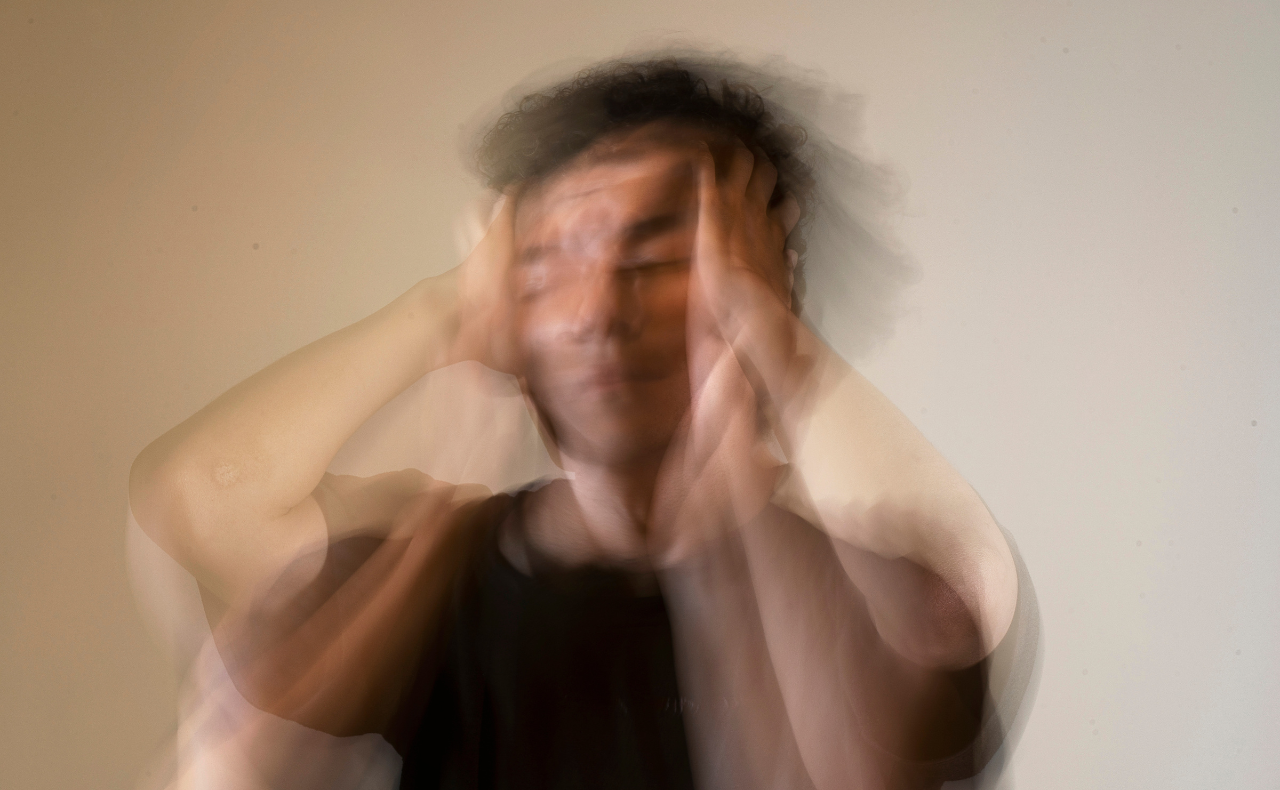
Moving Forward: Breaking the Cycle
Recognizing the underlying causes of your anxiety is an empowering realization. It helps shift the narrative from “What is wrong with me?” to “What is my body trying to tell me?”
Managing chronic anxiety rarely relies on a single solution. It usually requires a holistic approach that combines lifestyle adjustments, mindfulness practices, self-compassion, and professional guidance. You do not have to navigate this heavy burden on your own, and sustainable relief is entirely possible.
Take the First Step Toward Relief
If chronic anxiety is holding you back from enjoying your life, professional support can help you uncover the root causes and develop effective coping strategies. You deserve a life defined by peace rather than panic.
Reach out to Noble Therapy today to schedule a consultation and begin your journey toward healing.
- Website: nobletherapyny.com
- Email: rtzvinoble@gmail.com
- Phone: 818-298-2759
- Connect with Us on Social Media:
- Facebook: nobletherapyny
- LinkedIn: https://www.linkedin.com/in/tzvi-noble-459775189/